


Why CNAB could be a game-changer for Docker containers and how Sitecore can benefit from that?
Introduction
Currently, in order to run Sitecore in docker locally, one has to pull the code from a GitHub repository, build it (if not done yet, or pull already built images from a Docker registry), set the license file, and say "up" to docker-compose. Not to say the prerequisites required. If dealing with a cloud, then the deployment into Kubernetes is required, which also demands adequate skills.
Imagine an ideal situation where you don't need to do all the things, but just pull a "managing" image from a remote registry, and this image itself will care about running "all the things" internally, such as prerequisites, pulling the dependent images, preparing the environments, network and dependencies, doing alternative steps to docker-compose and much more.

Or going far beyond that: shipping is as a traditional GUI installer for non-technical people or deploying that same image into a cloud, any cloud, ready to use, does not that look as such desirable? What if I tell you this technology is already available and you can use it? Please welcome the new universal spec for packaging distributed apps created by Microsoft and Docker:
Cloud-Native Application Bundles or simply CNAB
Firstly, what the heck is CNAB at all? Using Cloud Native Application Bundle, a developer has an option of deploying the app either locally at his dev. machine, or in a public cloud as it bolts together containers and services into a seamless whole, placing a strong focus on standardization. It is an open-source specification that aims to facilitate the bundling, installing, and managing of containerized apps. With this bundle, users can define resources that can then be deployed to a number of run-time environments, such as Docker, Azure, Kubernetes, Helm, automation services (such as those used by GitOps), and more.
At a first glance, that task is supposed to be solved by Docker itself. However, when dealing with largely scaled hybrid infrastructures, its standard features become insufficient. Thus, CNAB is an attempt of standardizing the process of packaging, deployment, and lifecycle management of distributed apps on a basis of Kubernetes, Helm, Swarm, and others by using a unified JSON-based package format.
- CNAB explains the fundamentals of the CNAB core 1.0.
- CNAB Registry will describe how CNAB bundles can be stored inside of OCI Registries (this section is not yet complete).
- CNAB Security explains the mechanisms for signing, verifying, and attesting CNAB packages.
- CNAB Claims describes the CNAB Claims system, shows how records of CNAB installations formatted for storage
- CNAB Dependencies describes how bundles can define dependencies on other bundles.
Tooling
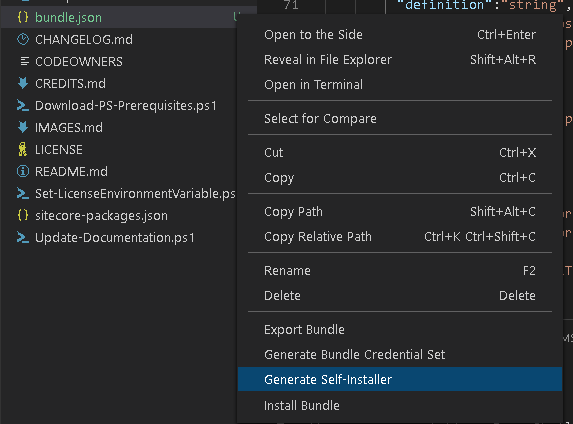
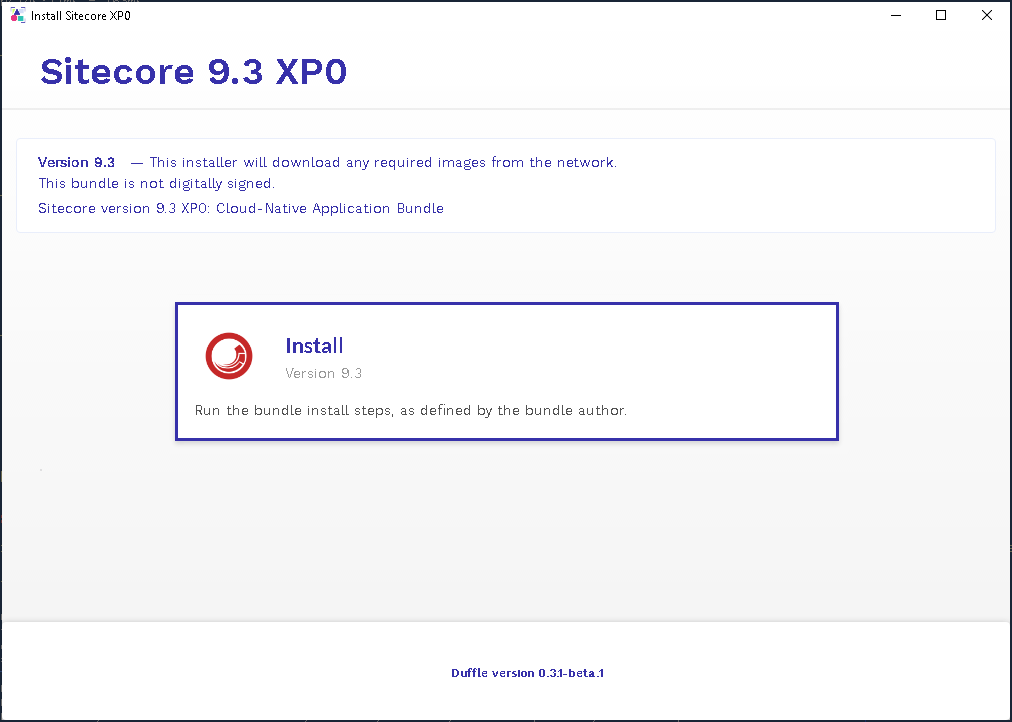
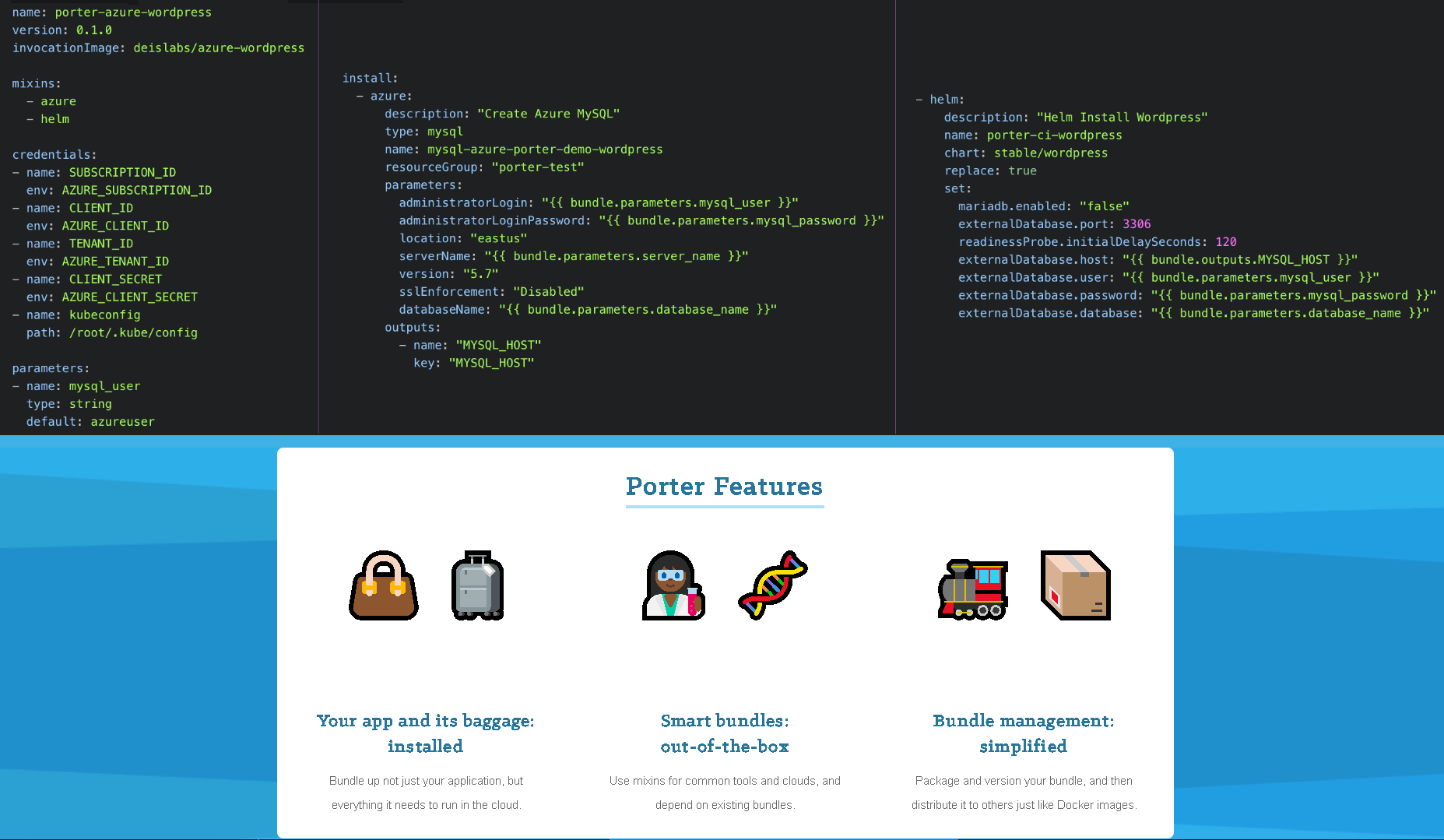
Another tool, Porter, is Microsoft’s CNAB builder that gives you building blocks to create a cloud installer for your application, handling all the necessary infrastructure and configuration setup. It is a declarative authoring experience that lets you focus on what you know best: your application. The power of Porter is coming from using mixins giving CNAB authors smart components that understand how to adapt existing systems, such as Helm, Terraform, or Azure, into CNAB actions.
- The schema version.
- Top-level package information.
- Information on invocation images.
- Map of images.
- Specification for parameter override (with a reference to a validation schema).
- List of credentials.
- Optional description of custom actions.
- A list of outputs produced by the application.
- A set of schema definitions is used to validate input.
{
   "credentials":{
      "hostkey":{
         "env":"HOST_KEY",
         "path":"/etc/hostkey.txt"
      }
   },
   "custom":{
      "com.example.backup-preferences":{
         "frequency":"daily"
      },
      "com.example.duffle-bag":{
         "icon":"https://example.com/icon.png",
         "iconType":"PNG"
      }
   },
   "definitions":{
      "http_port":{
         "default":80,
         "maximum":10240,
         "minimum":10,
         "type":"integer"
      },
      "port":{
         "maximum":65535,
         "minimum":1024,
         "type":"integer"
      },
      "string":{
         "type":"string"
      },
      "x509Certificate":{
         "contentEncoding":"base64",
         "contentMediaType":"application/x-x509-user-cert",
         "type":"string",
         "writeOnly":true
      }
   },
   "description":"An example 'thin' helloworld Cloud-Native Application Bundle",
   "images":{
      "my-microservice":{
         "contentDigest":"sha256:aaaaaaaaaaaa...",
         "description":"my microservice",
         "image":"example/microservice:1.2.3"
      }
   },
   "invocationImages":[
      {
         "contentDigest":"sha256:aaaaaaa...",
         "image":"example/helloworld:0.1.0",
         "imageType":"docker"
      }
   ],
   "maintainers":[
      {
         "email":"matt.butcher@microsoft.com",
         "name":"Matt Butcher",
         "url":"https://example.com"
      }
   ],
   "name":"helloworld",
   "outputs":{
      "clientCert":{
         "definition":"x509Certificate",
         "path":"/cnab/app/outputs/clientCert"
      },
      "hostName":{
         "applyTo":[
            "install"
         ],
         "definition":"string",
         "description":"the hostname produced installing the bundle",
         "path":"/cnab/app/outputs/hostname"
      },
      "port":{
         "definition":"port",
         "path":"/cnab/app/outputs/port"
      }
   },
   "parameters":{
      "backend_port":{
         "definition":"http_port",
         "description":"The port that the back-end will listen on",
         "destination":{
            "env":"BACKEND_PORT"
         }
      }
   },
   "schemaVersion":"v1.0.0",
   "version":"0.1.2"
}
You may read more about bundle.json format at CNAB.io official page.